
Exploring global attitudes towards gambling A cultural journey
Understanding Cultural Perspectives on Gambling
The perception of gambling varies significantly across different cultures and societies. In some regions, gambling is embraced as a form of entertainment and social engagement, while in others, it is viewed with skepticism and moral concern. For example, countries like Australia and the United States often see gambling as an integral part of their social fabric, with numerous casinos and betting establishments that attract millions of participants. In contrast, places with stricter religious views may associate gambling with vice and sin, leading to its prohibition or heavy regulation. Interestingly, some players even turn to pokies online payid for an enhanced experience that reflects these cultural attitudes.

This cultural dichotomy is shaped by historical, religious, and societal influences that inform attitudes towards games of chance. In many Western cultures, gambling is often seen as a leisure activity, whereas in certain Asian cultures, it can symbolize luck and prosperity, especially during festivals. Understanding these diverse perspectives sheds light on how gambling practices are integrated into daily life, shaping not only individual behaviors but also community norms.
The Impact of Legislation and Regulation
The legal status of gambling in various countries plays a crucial role in shaping public attitudes. In regions where gambling is legalized and regulated, such as the United Kingdom and parts of Canada, public perception tends to be more favorable. These areas benefit from structured oversight that promotes responsible gambling while providing economic benefits through taxation and job creation. Conversely, in countries where gambling is banned or heavily restricted, there is often a cultural stigma attached, leading individuals to engage in underground or illicit gambling activities.
Legal frameworks can either encourage a healthy gaming culture or foster an environment of secrecy and shame. For instance, countries like Singapore have introduced controlled environments that allow gambling within specific confines, effectively managing public perceptions while reaping economic advantages. As a result, legislation significantly shapes both the participation in and the cultural attitudes towards gambling.
The Role of Technology in Changing Attitudes
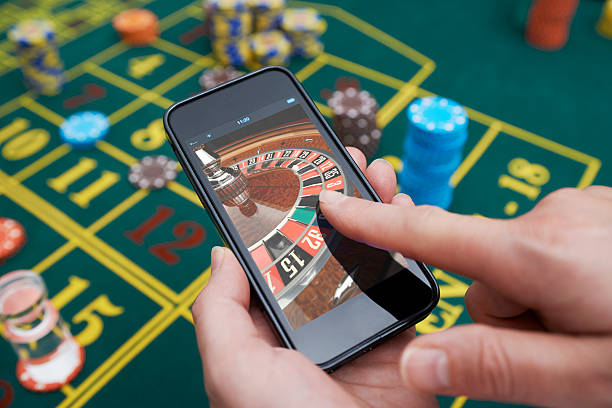
The advent of technology has revolutionized the gambling landscape, contributing to shifting attitudes globally. Online gambling platforms have made it easier for individuals to participate from the comfort of their homes, breaking down geographical barriers. This accessibility has led to increased participation, particularly among younger demographics who are more comfortable with digital interactions. The convenience offered by online casinos and betting apps has changed the way people perceive gambling, transforming it into a more socially acceptable pastime.
As technology continues to evolve, so do the marketing strategies employed by gambling companies. Social media and influencer culture have also played a part in normalizing gambling, creating an environment where it is seen as a fun and entertaining activity rather than a risky endeavor. However, this shift raises important questions about responsible gambling and the potential for addiction, highlighting the need for ongoing education and support.
Socioeconomic Factors Influencing Gambling Attitudes
Socioeconomic status is another significant factor affecting how gambling is perceived across cultures. In wealthier nations, gambling is often seen as an optional luxury, accessible to those with disposable income. In contrast, in lower-income regions, gambling may be perceived as a desperate means to escape financial hardship, leading to more negative attitudes. The societal implications of these perceptions can be profound, as they shape the availability of gambling services and the resources allocated for addiction prevention and support.
Furthermore, economic downturns can influence gambling behaviors, as individuals may turn to gaming as a form of escapism or as a potential solution to financial woes. The cycle of poverty and gambling addiction can perpetuate negative stereotypes and cultural biases, making it imperative to address these socioeconomic factors in discussions about gambling attitudes and policies.
Discovering a Unique Gaming Experience
The emergence of dedicated online platforms, such as PayID Pokies, has transformed the gaming experience, particularly in regions like Australia. This platform offers players a seamless and enjoyable gaming environment, characterized by instant deposits and withdrawals. With a commitment to user safety and convenience, PayID Pokies caters to modern gaming enthusiasts seeking reliable and exciting options.
Through its wide selection of premium games, PayID Pokies exemplifies how technology can enhance the gambling experience while prioritizing customer support and satisfaction. As players join the platform, they not only engage with thrilling games but also benefit from generous bonuses designed to enrich their gaming journey. This evolution reflects changing attitudes towards gambling, making it a more accessible and socially integrated activity.